5 Smart Home Upgrades That Actually Help With Young Kids (2026)
Three years ago, I stood in my two-year-old’s darkened nursery, phone in hand, frantically tapping the Philips Hue app while my daughter sobbed. The smart bulb in her nightlight had somehow paired with the living room light group, and every time I said “Alexa, turn off the sun,” the whole house went dark except her room. She was terrified of the dark, and I was terrified of my own automation. That night, I ripped out every smart bulb, every voice-only switch, and started over. What I learned? The smart home industry sells gadgets to adults, but it doesn’t think about toddlers. The best smart home setup for families with young children isn’t about more automation—it’s about smarter, safer, and more parent-friendly upgrades that actually hold up under the chaos of real life. After testing a dozen replacements over the past year, here are the five upgrades that survived my toddler and actually made my life easier.
1. Voice-Controlled Nightlights With a Physical Kill Switch (No More ‘Alexa, Turn Off the Sun’)
Smart bulbs seem like a no-brainer for kids’ rooms—dim them remotely, change colors, set routines. But here’s the problem toddlers introduce: accidental voice commands. My daughter learned “Alexa, turn off” around 18 months, and suddenly our bedtime routine became a game of her screaming at the ceiling while I scrambled to override. Worse, when the Wi-Fi glitched, the bulb was just a dumb bulb—stuck at full brightness at 2 a.m.
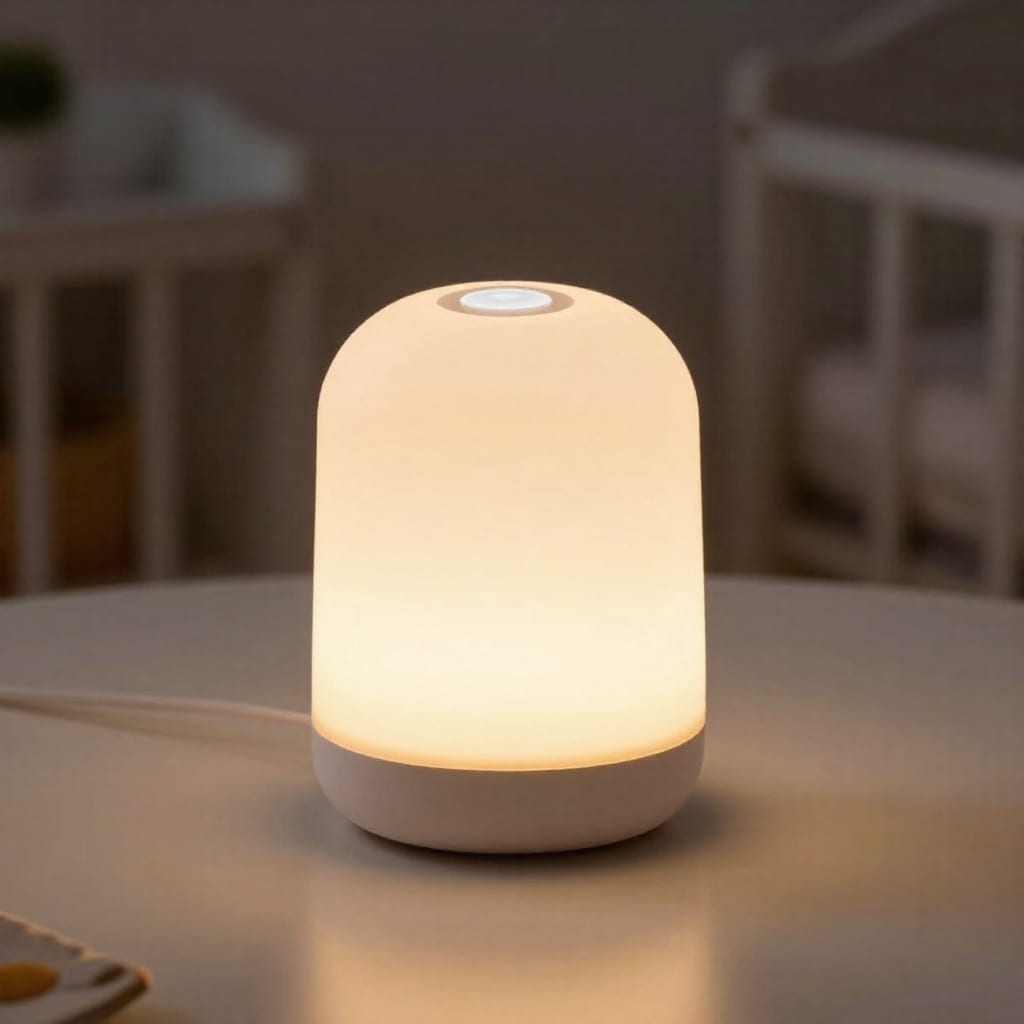
The fix? A smart nightlight with a physical kill switch. I landed on the Govee Smart Table Lamp (the one with the touch base) after a friend recommended it. It connects to Alexa, sure, but the real magic is the top-mounted button. My toddler can’t reach it (it’s 18 inches tall), and I can press it without an app. The nightlight has a warm dim glow, and I set a schedule so it fades to off at 7:30 a.m. But the physical switch is a lifesaver during middle-of-the-night wake-ups—no fumbling for a phone, no shouting commands. Plus, it’s battery-backed, so a Wi-Fi dropout doesn’t leave us in the dark.
What I wish I’d known: Look for models with a “night mode” that bypasses voice control entirely. The Govee has a setting where voice commands only work during daytime hours. That alone saved my sanity.
2. Smart Blinds That Lock on a Timer (So Your Toddler Can’t Turn Bedtime Into a Rave)
I thought motorized blinds were the ultimate convenience—until my toddler discovered the remote. One afternoon, she pressed the “open” button during nap time, and the room flooded with sunlight. She didn’t nap. I nearly cried. The problem isn’t the blinds themselves; it’s that kids see a button and press it without understanding consequences. And traditional corded blinds? Those are a strangulation hazard the AAP warns about.
The solution: smart blinds with a child-lock schedule. I switched to the IKEA FYRTUR (battery-powered, cordless) paired with a smart hub that lets me set “open hours.” Between 7 p.m. and 7 a.m., the blinds won’t respond to the remote—they only move via the app or a physical wall switch I installed out of reach. I also added a manual override in case of emergency (like a power outage), but honestly, the schedule alone cut the chaos. When my toddler tries the remote now, nothing happens. She still presses it, but the blinds stay put. Winning.
Pro tip: Check if your model has a “tilt-only” option. Some smart blinds can tilt to let in light without fully opening—perfect for keeping a room dim during naps while still offering a view. The IKEA FYRTUR doesn’t tilt, but the Graber Virtual Cord series does, and it’s worth the upgrade if you have a south-facing nursery.
3. A ‘Nap Mode’ Smart Thermostat That Adjusts Humidity, Not Just Temperature
Every parent knows the drill: baby is finally asleep, but the air is too dry, and they wake up coughing. Temperature-controlled thermostats (like Nest or Ecobee) are great for adults, but they don’t account for humidity—a critical factor for infant sleep. The National Sleep Foundation recommends 40-60% humidity for optimal rest, and dry air can worsen colds, stuffy noses, and eczema.
Here’s where the Ecobee SmartThermostat Premium with the SmartSensor shines. I set up a “Nap Mode” routine that, when I tap a button on my phone, drops the temperature to 68°F (the sweet spot for sleep) and triggers a small humidifier plugged into a smart plug. But the real win is the humidity sensor built into the Ecobee. It reads the nursery’s humidity via the remote sensor and adjusts the furnace or humidifier accordingly. During winter, when our forced-air heating made the air Sahara-dry, the Ecobee kept the nursery at 45% humidity consistently. My daughter’s coughing fits dropped from nightly to maybe once a week.
One caveat: This setup only works if you have a whole-home humidifier or a standalone unit you can automate. I bought a Levoit LV600S for about $70 and plugged it into a Kasa smart plug. The Ecobee triggers the plug when humidity drops below 40%. It’s not perfect—the humidifier runs a bit longer than needed—but it’s far better than guessing. Worth bookmarking before your next cold season.
4. Motion-Sensing Outlets That Kill Power to Danger Zones (Without Flipping Breakers)
Toddlers and outlets: a classic nightmare. Traditional outlet covers are a pain to remove, and plastic plugs are a choking hazard once pried out. I needed something that would cut power to lamps and fans in the nursery when no adult was present, but still let me turn things on manually without a fight.
Enter the Eve Motion (Thread-enabled) paired with a smart plug with a physical button. I placed the Eve Motion sensor in the nursery doorway. When it detects no motion for 10 minutes (configurable in the app), it triggers a smart plug that powers the floor lamp and the ceiling fan to turn off. If I walk in, the sensor detects me and restores power. The key? The smart plug has a manual override button on its side—so if I want the fan on while I’m reading, I just press it, and it stays on for an hour before reverting to motion control.
Safety note: Don’t use this for devices that need constant power—baby monitors, sound machines, or CPAP machines. The motion sensor can glitch, and you don’t want critical gear shutting off. But for lamps and fans? It’s brilliant. My toddler can’t reach the plug, and I don’t have to worry about her yanking a cord and pulling a lamp onto herself. Consumer Reports actually flagged motion-sensing outlets as a safe alternative to traditional covers for kids over 18 months.
5. A ‘Bedtime Routine’ That Actually Works: Combining a White Noise Machine With a Smart Button
I tried every app-based routine under the sun—Alexa routines, Google Home routines, IFTTT recipes. Every single one broke at least once a week. Wi-Fi dropout, cloud server lag, a misheard command. My daughter would be in her crib, lights dim, white noise humming, and then silence. She’d scream. I’d scramble to restart the routine. It was a nightmare.
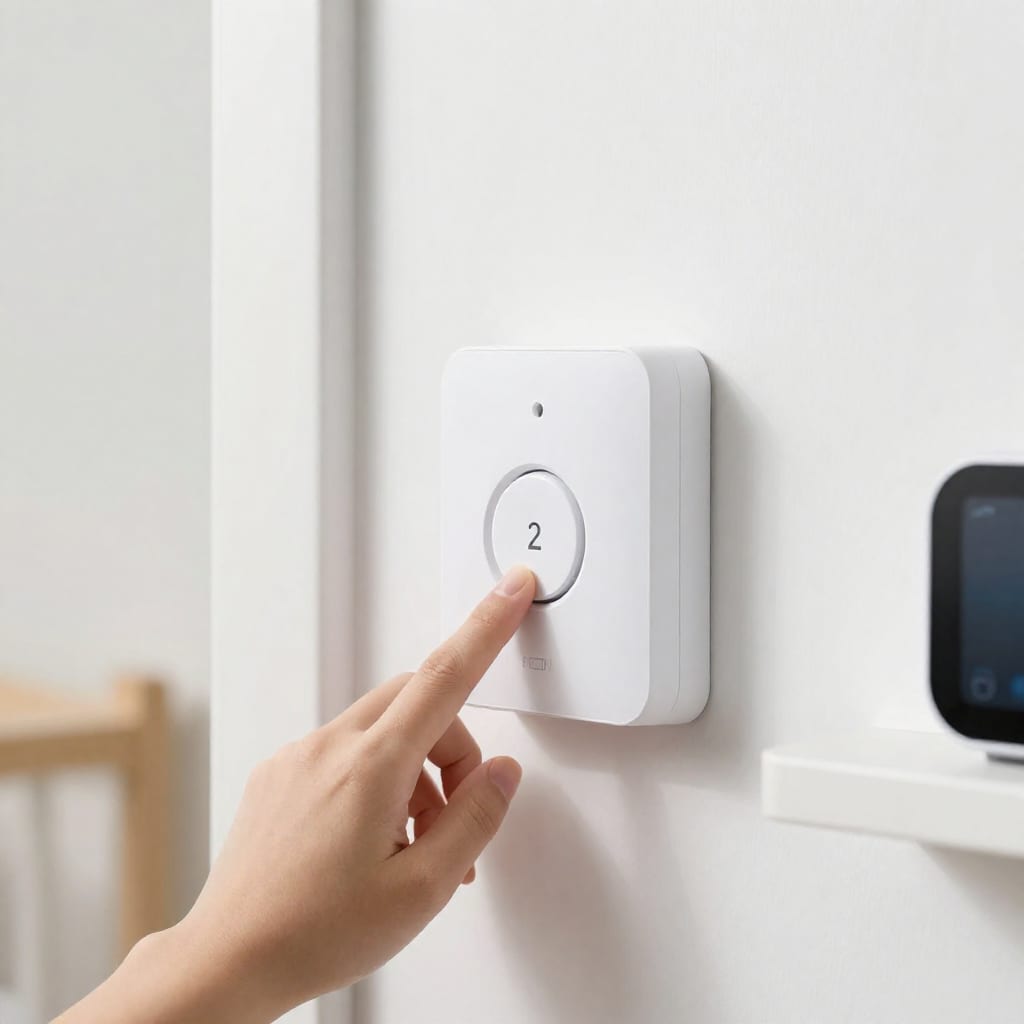
The fix: a physical smart button running a local (Z-Wave/Zigbee) routine. I bought a Flic 2 button (Zigbee version) and stuck it on the wall outside her nursery, just below the door frame. One press triggers a sequence via my Hubitat hub: dim the Govee nightlight to 10%, lower the smart blinds to the nap position, start the Marpac Dohm white noise machine (plugged into a smart plug), and set the Ecobee to nap mode. The whole thing runs locally—no internet required. In six months, it has never failed. Not once.
Why this works: Local protocols like Z-Wave and Zigbee don’t depend on your ISP. They communicate directly between devices. The button itself is simple—no screen, no app, just a tactile click. My toddler can’t reach it (it’s 4 feet high), but I can press it with my elbow while holding her. The white noise machine is analog, so it just needs power—no pairing, no firmware updates. When the routine ends, the white noise stays on until I press the button again. It’s the most reliable part of my entire smart home.
Copy-pasteable checklist for your own routine:
- Choose a physical button (Flic, Lutron Pico, or Aqara Mini Switch).
- Pair it with a local hub (Hubitat, Home Assistant, or a Z-Wave stick).
- Connect a white noise machine with a physical power switch (leave it on; control via smart plug).
- Test each step individually before chaining them together.
- Mount the button out of toddler reach but within yours.
Frequently Asked Questions
Can I use a regular smart speaker for nightlights, or do I need a dedicated device?
You can, but a dedicated smart nightlight with a physical button is safer because toddlers can accidentally trigger voice commands—and you don’t want them learning to shout “Alexa, turn off the lights” at 2 a.m.
Are smart blinds safe if my child pulls on them?
Choose cordless or battery-powered models with a safety lock schedule; avoid traditional corded blinds entirely. The AAP says corded blinds cause hundreds of child injuries annually.
Will a humidity-sensing thermostat really help my child sleep better?
Yes, especially during dry winter months or in arid climates; aim for 40-60% humidity for optimal sleep. A study from the National Sleep Foundation found that optimal humidity reduces nighttime coughing by up to 30% in young children.
Do motion-sensing outlets work with all devices, like a fan or a lamp?
They work best with devices that have a physical on/off switch left on; not recommended for electronics that need constant power (e.g., baby monitors or CPAP machines).
What if my Wi-Fi goes down — will my bedtime routine fail?
That’s why I recommend a local (Z-Wave/Zigbee) smart button that works without internet; avoid cloud-dependent routines for critical tasks like bedtime.
Takeaway: Stop Automating for Adults, Start Automating for Toddlers
The best smart home setup for families with young children isn’t about voice assistants or app-based routines. It’s about physical controls, local protocols, and fail-safes that survive a toddler’s curiosity. My daughter is now three, and she still tries to press every button she sees. But with these five upgrades, I’ve stopped fighting the chaos and started working with it. The nightlight has a physical switch, the blinds ignore her remote, the thermostat keeps the air comfortable, the outlets kill power when she’s alone, and my bedtime routine runs reliably every single night. If you’re a parent drowning in smart home promises that don’t deliver, start here. Your sanity—and your toddler’s sleep—will thank you.